
What is a Microsoft Regional Director?
A practical look at what the Microsoft Regional Director program is, how people become Regional Directors, and the value they bring to Microsoft, customers, partners, and the broader technology community.
· Eric Boyd · 9 min read
On this page
If you’ve ever looked through my bio or attended one of my talks, you may have noticed that I’m a Microsoft Regional Director, often shortened to RD. The name can be a little misleading. No, I don’t manage a region for Microsoft, and no, I don’t work for Microsoft.
But I often get asked questions like:
- What is a Microsoft Regional Director?
- How do you become one?
- What do you do as an RD?
- What benefits do RDs get?
- And how is a Regional Director different from a Microsoft Most Valuable Professional (MVP)?
The Microsoft Regional Director program brings together business and technology leaders with strong technical credibility, community impact, and real-world strategic perspective. Microsoft describes Regional Directors as “influential leaders and trusted advisors to Microsoft and the technology community” in its official Regional Directors FAQ.
What is the Microsoft Regional Director program?
The Microsoft Regional Director program is a global, invitation-only group of roughly 150 technology leaders from around the world. Despite the title, it is not a job at Microsoft. It is a program for trusted advisors, industry influencers, and community leaders who provide feedback to Microsoft and help others in their respective communities.
Regional Directors typically bring a combination of qualities that are hard to find in one person:
- Deep technical expertise across Microsoft technologies and beyond
- Strong understanding of business strategy and organizational priorities
- Real-world experience helping customers and partners solve meaningful problems
- Credibility in the community through speaking, writing, mentoring, and leadership
In other words, RDs tend to operate at the intersection of technology, business, and leadership. We don’t just understand how technology works. We help organizations understand why it matters, where it creates value, and how to use it effectively.
Why the RD program exists
Established in 1993, the Regional Director program has been around long enough to occupy a distinct place in Microsoft’s broader ecosystem. At its core, it gives Microsoft access to grounded strategic feedback from people outside the company who are working directly with customers, partners, founders, executives, and technical communities.
What the RD title does not mean
This is often the most important part to clarify.
Being a Microsoft Regional Director does not mean:
- I am a Microsoft employee
- I manage a Microsoft sales territory or geographic region
- I am a spokesperson whose job is to promote every Microsoft decision or product
The value of the program comes from independence, credibility, and candor. Microsoft benefits from hearing informed, real-world feedback from people who are actively working with customers, partners, communities, and the market every day.
How do you become a Microsoft Regional Director?
Becoming a Regional Director is not something you apply for in the traditional sense. Regional Directors are hand-picked by Microsoft through a rigorous evaluation process.
From the outside, the process can feel intentionally selective and a bit opaque. There isn’t a normal public checklist or standard application path that someone follows step by step.
Microsoft evaluates potential Regional Directors based on factors like:
- Strategic influence in helping organizations make business and technology decisions
- Breadth of perspective across industries, customers, and technical domains
- A demonstrated role as a trusted advisor to executives, developers, architects, IT professionals, founders, or business leaders
- Community impact through speaking, writing, mentoring, organizing events, or leading initiatives
The program is selective, global, and intentionally small. RD appointments are generally structured as two-year terms, which means continued participation depends on ongoing impact and continued alignment with the purpose of the program.
What is expected of a Microsoft Regional Director?
The RD program is not about acting as a product evangelist. It is about contributing perspective, insight, and leadership.
Regional Directors are expected to:
- Provide honest strategic feedback to Microsoft leadership and product teams
- Share real-world customer, partner, and community perspectives
- Help connect people, ideas, and opportunities across Microsoft and the broader ecosystem
- Lead in the community through events, workshops, publications, and conversations
That means the role often looks different from person to person. Some RDs are known for enterprise strategy. Some are deeply active in startup ecosystems. Some lead technical communities. Some advise governments or large global organizations. What they share is influence, credibility, and a track record of meaningful impact.
What value do Regional Directors provide to Microsoft?
From Microsoft’s perspective, the RD program creates a strong feedback loop with leaders who are close to the market.
Regional Directors help Microsoft:
- Understand how products, platforms, and strategies are landing with real customers
- Hear cross-industry and cross-geography perspectives that may not show up in internal planning alone
- Identify friction, gaps, and opportunities earlier
- Strengthen relationships with enterprise, startup, partner, and community ecosystems
In many ways, RDs act as a bridge between Microsoft’s internal teams and the realities of the outside world.
What are the benefits of being a Regional Director?
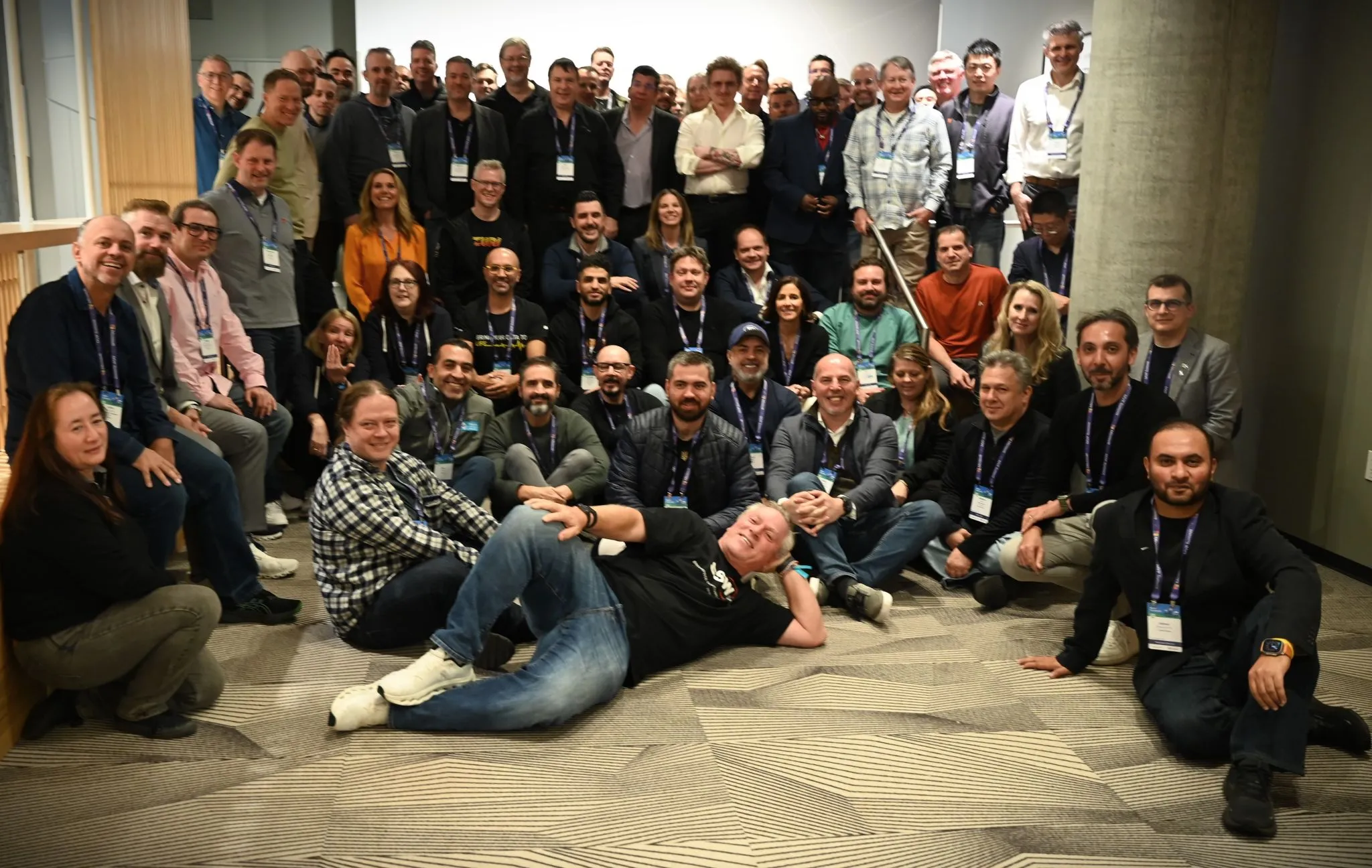
The group of Microsoft Regional Directors that attended the 2026 RD Summit in-person in Redmond, WA. Photo taken by Microsoft.
The RD program is not a paid role, but Microsoft does provide a meaningful set of benefits that help Regional Directors stay informed and effective.
These typically include:
- Access to Microsoft leaders, product groups, and strategic discussions
- Opportunities to participate in private briefings, summits, and advisory conversations
- Stronger connections into teams, programs, and communities across Microsoft
- A respected global peer network of experienced leaders
One of the most meaningful benefits, at least for me, is the community of fellow Regional Directors. Being part of a global network of experienced leaders means I get to learn from people with very different industry backgrounds, customer contexts, and strategic perspectives. That peer community sharpens my thinking and helps me bring better ideas and better judgment back to my own work.
That access matters because it helps RDs give better feedback, build better connections, and bring better insights back to the customers, partners, and communities they serve. It also comes with discretion. Not everything shared with RDs is intended for public distribution, so part of being effective in the program is knowing how to balance access, trust, confidentiality, and constructive feedback.
What makes someone a strong Regional Director?
While every RD has a different background, there are some common patterns.
Strong Regional Directors are usually:
- Trusted advisors who help leaders make better decisions
- Community builders who create spaces for people to learn and connect
- Thought leaders who contribute ideas, not just opinions
- Strategic technologists who can connect technical depth to business value
- People with broad perspective who understand how technology plays out in the real world
One of the strengths of the program is that it is intentionally diverse in experience, geography, industry, and point of view. That diversity makes the conversations better and makes the feedback more useful.
How is the RD program different from the MVP program?
This is one of the most common questions I get.
The Microsoft MVP and Microsoft Regional Director programs are both Microsoft programs, but they differ in both focus and selection model. The MVP program is generally nomination-based and recognizes technical community impact and expertise, while the RD program is an invitation-only advisory and leadership program centered on strategic influence and trusted-advisor relationships.
In simple terms:
- The MVP program is generally centered on technical community contribution and recognized expertise in specific technologies or domains.
- The RD program is generally centered on strategic influence, business leadership, and trusted-advisor relationships in the broader technology industry.
Microsoft MVPs are often best known for highly visible technical contributions such as creating technical content, speaking at community events, leading user groups, contributing to open source, and helping others succeed with Microsoft technologies.
Regional Directors may also do many of those same things, but the RD program focuses more heavily on people operating at a strategic level, connecting technology decisions to business outcomes while providing Microsoft with candid insight from customers, partners, founders, executives, and the market.
There is also a meaningful difference in scope. The MVP program is much larger and spans many technical communities worldwide. The RD program is intentionally much smaller.
Neither program is “better” than the other. They serve different purposes. In fact, some individuals have been both MVPs and RDs because their work spans both deep technical community contribution and broader strategic industry leadership.
If you’d like to browse current Regional Directors, Microsoft maintains a public Find an RD directory.
How do Regional Directors benefit customers, partners, and the community?
The RD title is not only about helping Microsoft. The broader value of the program shows up in the work Regional Directors do every day.
Regional Directors help customers and partners by:
- Translating complex technologies into practical business and technical decisions
- Sharing patterns, lessons learned, and hard-earned experience
- Connecting people to the right ideas, communities, and opportunities
- Helping organizations adopt new technologies more effectively and responsibly
Regional Directors help the community by:
- Speaking at conferences, meetups, workshops, and executive forums
- Publishing articles, videos, and other educational content
- Mentoring emerging leaders, founders, architects, and developers
- Creating communities where people can grow their skills and careers
That broader impact is one of the reasons I value the program so much. The title is meaningful, but the real point is service: helping others move faster, make better decisions, and create more impact.
Why it matters to me
For me, being a Microsoft Regional Director is ultimately about responsibility, not status.
It is a reminder to stay close to the real challenges organizations are facing, to keep contributing to the community, and to keep offering honest, useful perspective to Microsoft and to the people I work with every day.
What I value most is that it reinforces the kind of work I want to do anyway: connecting technical decisions to business outcomes, bringing patterns back from the field, and being candid about what is and is not working. The title matters far less to me than the responsibility that comes with it.
One of the most valuable parts of the program is being able to share what I’m hearing from customers and the community directly with Microsoft leadership. Over the years, those conversations have touched everything from product design to go-to-market strategy to ecosystem partnerships, and they have helped me better connect Microsoft teams with the needs I see in the field.
It’s also an honor to be part of a global network of leaders I respect deeply. The RD community includes people with remarkable experience, diverse viewpoints, and a shared desire to help others succeed.

A small group of Regional Directors in the evening at Summit 2026. Left to right, Adam Cogan, Eric Boyd (me), Michele Leroux Bustamante, Magnus Martensson, Rodrigo Diaz Concha
In practice, being part of the program pushes me to listen harder, synthesize better, and be more useful to the organizations and communities I serve. That’s the part of being an RD that matters most to me.
If you’d like to see my official listing, you can view My Microsoft Regional Director profile. And if you have questions about the Microsoft Regional Director program, or you’re curious about how it connects to the work I do with enterprises, ISVs, and startups, feel free to reach out.