
Chicago Global Azure 2026 Recap
A look back at Global Azure 2026 around the world and a recap of our local Chicago event, from attendance and sessions to the questions that stayed with me after the day ended.
· Eric Boyd · 5 min read
Global Azure 2026 was another strong reminder of what makes this Azure (and broader technology) community special. Around the world, 71 communities participated, 295 speakers delivered 243 sessions, between Thursday, April 16, 2026, and Saturday, April 18, 2026.
In Chicago, we held our local event on Friday, April 17, 2026, at the Microsoft office downtown. The Microsoft rooms have space for about 140 attendees. We had 110 people register, and about 50 people made it in person. The weather was beautiful, and I suspect having a gorgeous Friday in Chicago had something to do with the lower-than-normal attendance. Even so, we had a great day with strong sessions, thoughtful conversations, and a really engaged group throughout the event.
Global Azure Around the World
Global Azure continues to be one of my favorite examples of how the Microsoft cloud community shows up for each other. Local organizers all over the world ran their own events, speakers shared practical experience from the field, and attendees got a concentrated snapshot of what is happening across Azure right now.
This year’s numbers tell the story well:
Global Azure Chicago 2026 - Our Local Event
While most of the events around the world were held on Saturday, April 18, we hosted Chicago Global Azure on Friday, April 17, at the Microsoft office in downtown Chicago. Even with lower-than-normal turnout, the room had a good energy all day. The people who came were engaged, the questions were strong, and the conversations between sessions were exactly the kind of thing I want this event to create.
I opened the day with Azure Is Now Old Enough to Drive, a look back at Azure’s 16-year journey from Windows Azure to the platform organizations rely on today for cloud infrastructure, data, AI, security, and global-scale applications. It was a fun way to set the tone for the day because Azure’s story is really the story of how much the cloud has matured.
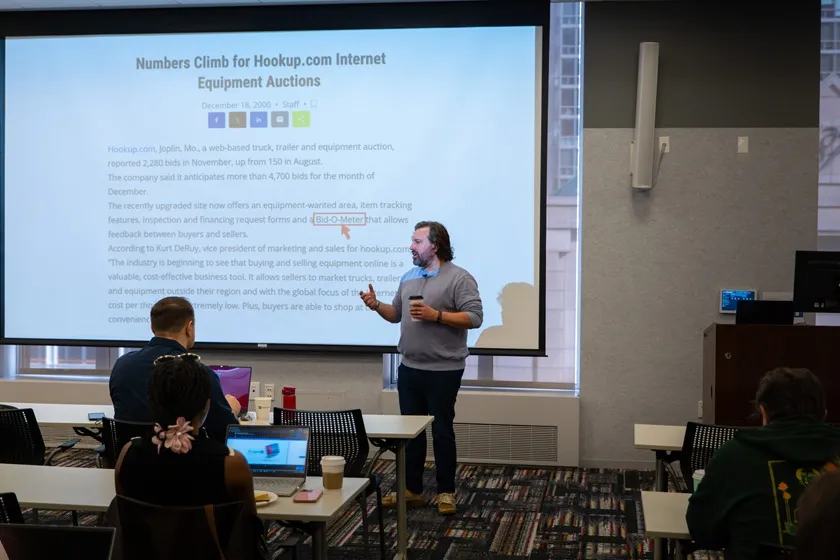
Phanindra Gangina followed with an excellent session on Dapr and AKS, showing how teams can build portable microservices without spending all of their time rebuilding the same distributed systems plumbing. I especially liked that he did his development work in a GitHub Codespace. That made the portability and repeatability story feel concrete instead of theoretical.
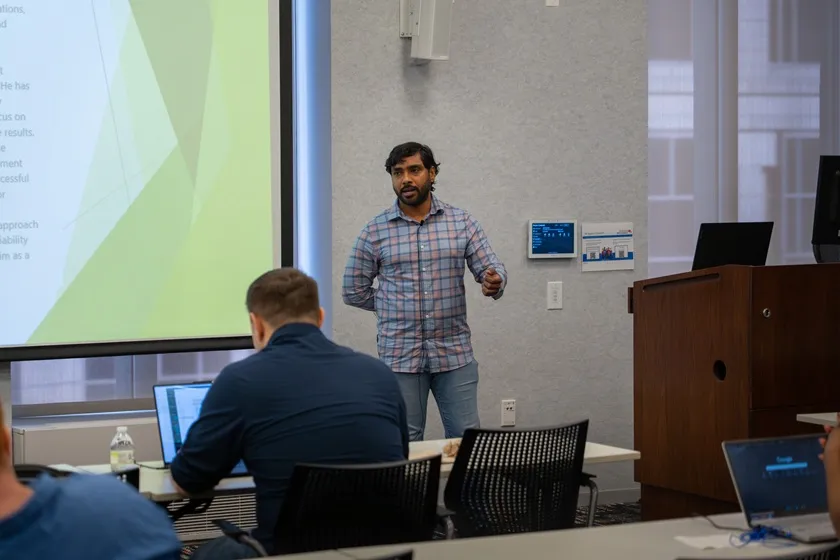
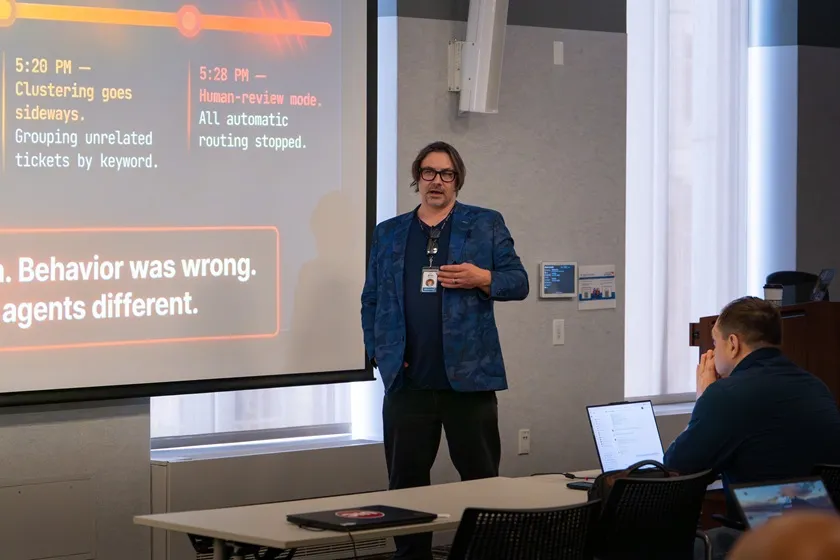
I was looking forward to seeing Rakesh Ganta present on quantum optimization for distributed systems on Azure, but unfortunately he wasn’t able to make it. Thankfully, Brian Haydin was flexible and helped us keep the day moving with an outstanding session on real-world AgentOps, covering evals, tracing, observability, and regression testing for Azure-based AI agents.
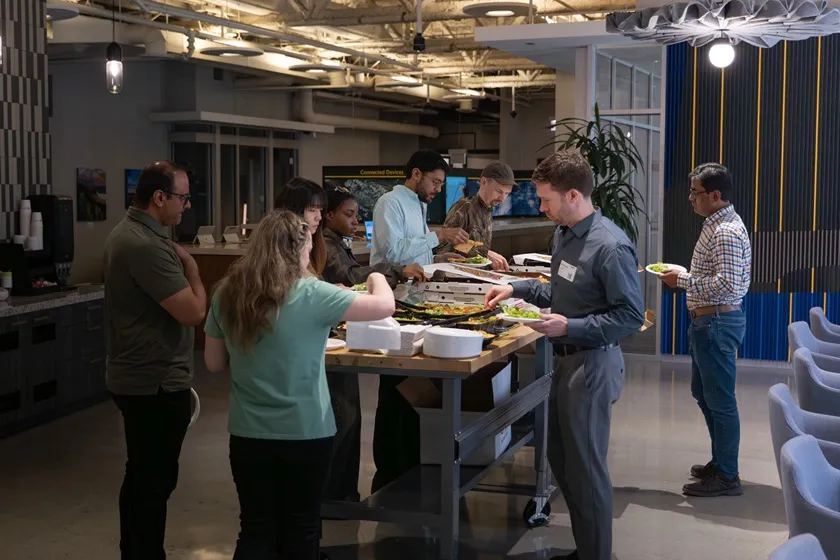
Lunch from Lou Malnati’s was, as always, great. April Rains from my team at responsiveX made sure we were taken care of with food and drinks throughout the day. I appreciated the help, and the event ran much more smoothly because of it.
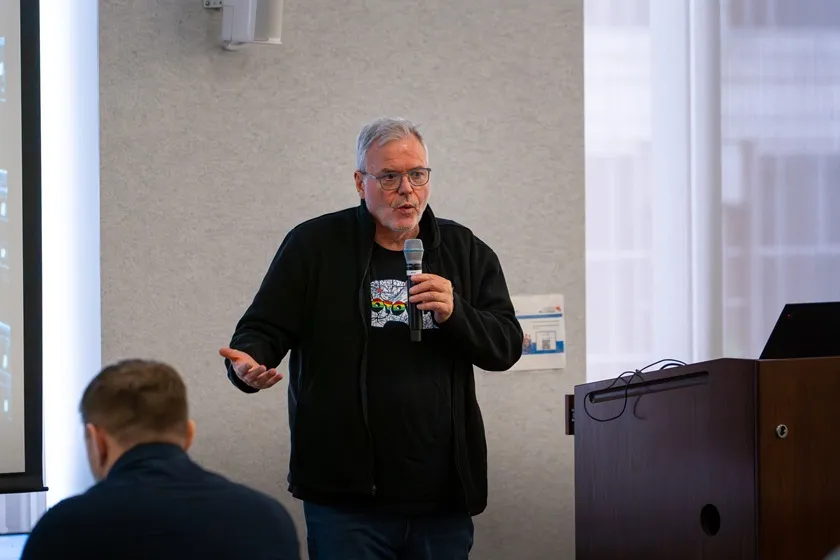
After lunch, David Giard walked through observability with Azure Monitor and Application Insights, focusing on the practical side of collecting telemetry, detecting issues early, and understanding application health in near real time.
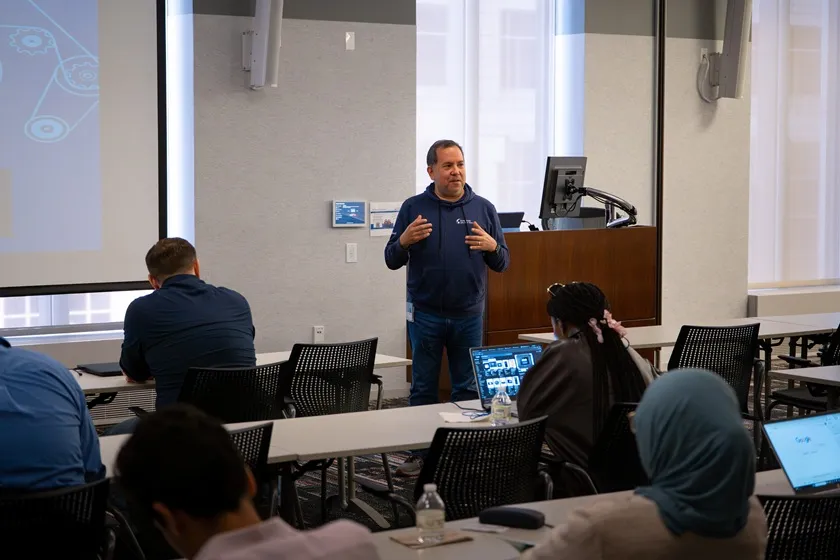
Finally, Pete Rodriguez wrapped up the session lineup with a demo-heavy session on GitHub Copilot for infrastructure as code. He showed how to use Copilot to write Bicep templates and ARM templates, and how to use it to generate Terraform code as well. It was a great way to end the day because it connected the AI theme of the day back to practical work that teams are doing right now.
What Stood Out
Several themes came up repeatedly throughout the day.
- Azure’s maturity is creating space for more opinionated conversations about architecture, governance, and long-term platform choices.
- Developer experience still matters a lot, whether the topic is Codespaces, Dapr, Bicep, or AI tooling.
- Observability and evaluation are now central conversations, not secondary concerns, especially as more teams build AI systems that need to behave predictably in production.
- People still want practical guidance more than hype. The strongest sessions connected real tools and real tradeoffs to the work teams are doing right now.
The Q&A Could Have Gone Much Longer
We ended the day with a panel and Q&A moderated by Josiah Clark from my team at responsiveX. The questions were fantastic, and honestly we could have kept going for hours. We finally wrapped up a little after 4:00 PM because people had trains to catch, not because we ran out of things to talk about.
Some of the best questions were about:
- The most promising new capabilities coming to Azure
- How AI is going to transform the way we work
- How students graduating right now should approach the job market and find their start in this industry
That mix of questions says a lot about where people’s heads are right now. There is excitement about AI, real curiosity about what is next in Azure, and also understandable concern about what this moment means for careers and the broader technology market.
Thank You
I’m grateful to everyone who helped make the day work: the speakers, the attendees, David Giard and the Microsoft Chicago office, April Rains, Nathaniel Clark, Josiah Clark (for moderating the panel and taking photos throughout the day), and the broader Chicago cloud community. Events like this only happen because people are willing to share what they know and make time for one another.
If you want the original event details, you can still find them on my Chicago Global Azure 2026 event page. You can also see the official Global Azure Chicago event listing and the original Eventbrite page.
I’m excited to do this again in 2027. But between now and then, if you want to get involved in a community of technology professionals in downtown Chicago, check out the Chicago Cloud Computing Meetup and join us once a month.